
What intent means
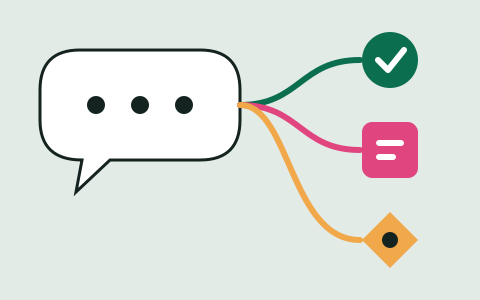
A search query is a few words standing in for a goal. "Boiler pressure low" might mean "explain what this means", "tell me how to fix it" or "find someone to fix it today". Search intent is the goal behind the words. Pages that match the goal tend to serve readers well; pages that match the words but miss the goal tend to disappoint them.
This is why the older habit of picking a keyword and repeating it is a poor plan. Google's guidance on helpful content asks whether a page was made for people or mainly to attract search visits, and its spam policies name keyword stuffing as a practice to avoid. Thinking about intent is the practical alternative.
Four common jobs behind a search
Marketers often sort intent into four broad groups. They are a working tool, not an official classification, and many searches mix them.
| Job | Example query | What usually helps |
|---|---|---|
| Learn something | what is a canonical url | A clear explanation with an example |
| Go somewhere | city library opening hours | The official page, easy to find |
| Compare options | email newsletter tools for small charities | Honest criteria and trade-offs |
| Get something done | renew passport online | A direct route to the task |
Reading the results page
The quickest evidence of intent is the results page itself. Search for the phrase and look at what is already shown before you write anything:
- Are the results mostly explanations, product pages, maps, videos or official sites?
- Do the titles promise steps, comparisons, definitions or prices?
- Are there related questions shown that reveal what people ask next?
Results vary by location, language and device, so treat one check as a sample, not a verdict. If the results are a mix of very different page types, the query is probably ambiguous, and a page that answers one clear version of it is often more useful than a page that tries to cover everything.
Worked example
A garden centre wants a page about "raised beds". The results show mostly how-to guides with measurements and soil advice, not shop pages. A product list would miss the intent. A practical guide to building and filling a raised bed, with one link to the relevant products, fits what people are looking for.
One page for one need
A simple planning rule: each important page should answer one main need completely. When two pages on the same site compete for the same need, neither tends to be as clear as one combined page would be. When one page tries to serve several unrelated needs, readers struggle to find their part.
A short plan for a page can fit on one line: "A reader who wants to [goal] should leave this page able to [outcome]." If you cannot fill in both parts, the page probably needs a sharper purpose.
Finding the queries people use
If your site already gets some search traffic, the best source of real queries is Google Search Console. Its Performance report lists the queries for which your pages appeared and how often they were clicked. Two cautions from its own documentation are worth remembering: some rare queries are left out to protect searchers' privacy, and the figures are summarised, so totals may not add up exactly.
Other useful sources cost nothing: the questions customers actually ask by phone or email, the search box on your own site, and the wording people use in reviews or forums about your topic.
A people-first test
Google's helpful-content guidance offers a set of self-assessment questions. Paraphrased, a few of the most practical ones are:
- Would someone who came to this page directly, not from a search, find it useful?
- Does it show real knowledge or first-hand experience of the topic?
- Will a reader leave feeling they learned enough to reach their goal?
- Was it written mainly to attract visits, or to help the people who arrive?
If the honest answers are uncomfortable, the fix is usually in the page's substance, not its wording.